

Ballroom Dance Socials: Your Complete Social Calendar
From waltz to tango, ballroom socials happen regularly throughout Ireland. We’ve compiled the schedules, difficulty levels, and what each venue offers its dancers.
10 min read
Intermediate
March 2026
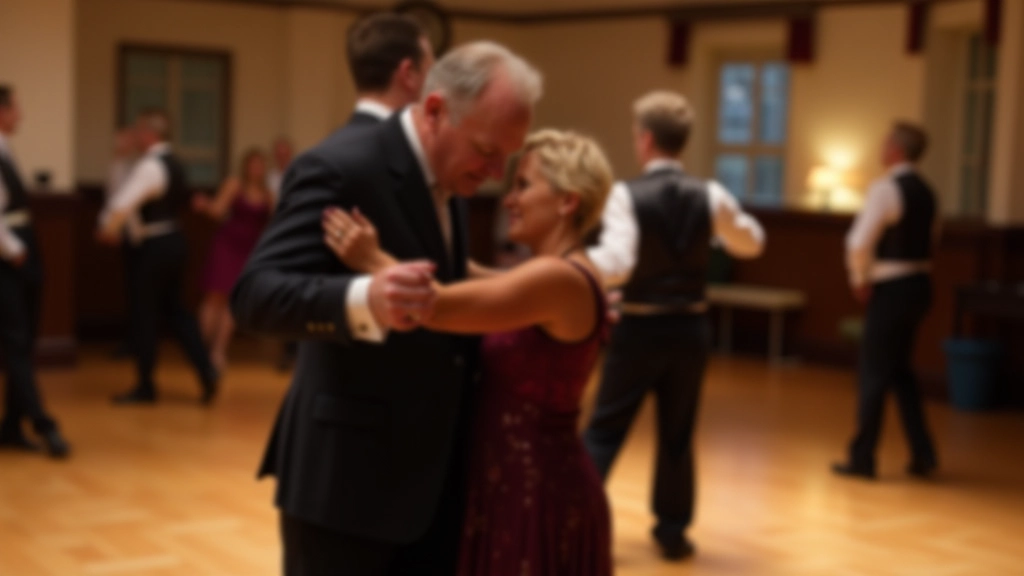
Why Ballroom Socials Matter
If you’re looking to dance regularly with others who actually know what they’re doing, ballroom socials are where it happens. These aren’t competitions or stuffy formal events — they’re just people getting together to dance, improve, and have a proper good time.
The beauty of socials is that you’ll find dancers at every level. Beginners practice their basics, intermediates refine technique, and experienced dancers push themselves harder. The atmosphere’s relaxed, the music’s excellent, and there’s always someone willing to share a dance or give pointers.
We’ve put together a guide to Ireland’s best-known socials, including what to expect at each venue, typical difficulty levels, and how to make the most of your first night out.
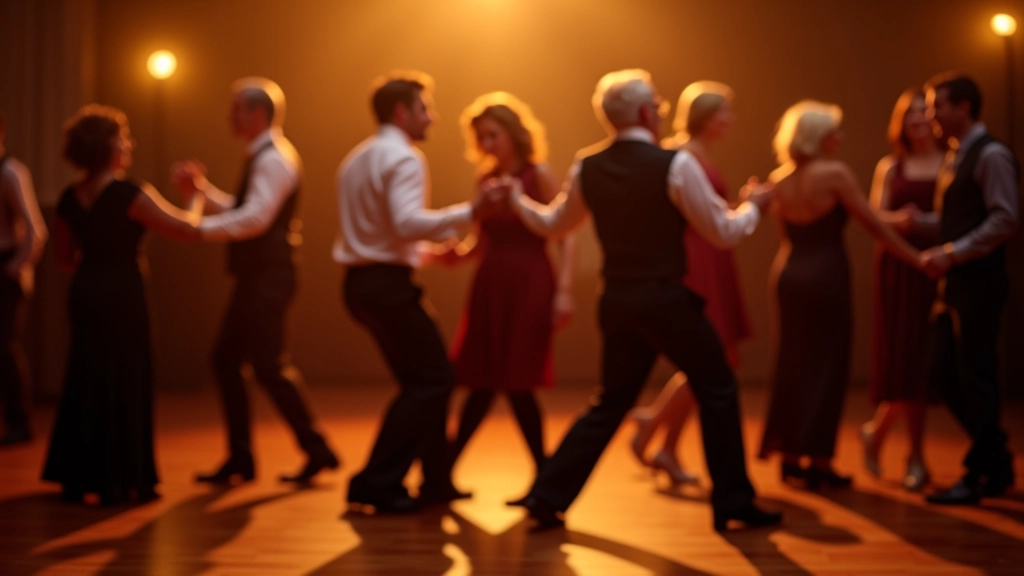
Major Ballroom Social Venues
Dublin, Cork, and beyond — where the regulars gather
The Shelbourne Ballroom (Dublin)
When: Thursday & Saturday nights, 8pm-11pm
Level: Intermediate to Advanced
The most established social in Dublin. Full live band on Saturdays, DJ on Thursdays. The crowd here skews toward dancers who’ve trained for at least a couple of years. Dress code is smart casual — jeans are fine, but most people dress up a bit.
You’ll find standard ballroom (waltz, foxtrot, quickstep) and Latin (cha-cha, rumba, jive). The floor is sprung hardwood, which is excellent for your joints if you’re dancing multiple nights weekly.
Cork Dance Academy Socials
When: Tuesday & Friday nights, 7:30pm-10:30pm
Level: All Levels (Beginner-friendly)
More relaxed than Dublin venues, which means it’s perfect if you’re new to socials. Tuesdays are specifically structured for beginners — they run mini-lessons from 7pm-7:30pm before the social starts. Friday’s a mixed crowd.
The space is smaller than Shelbourne but the community’s tight. You’ll recognize faces quickly, and people genuinely enjoy helping newer dancers. DJ-only, but they take song requests.
Limerick Ballroom Society
When: Wednesday nights, 8pm-10:30pm
Level: Intermediate
Mid-week option for people who can’t make Dublin or Cork weekends. Smaller turnout (usually 30-40 dancers) but high energy. The hosts are serious about technique — they’ll give you constructive feedback if you ask.
Mix of ballroom and Latin. Bring comfortable shoes — the floor’s concrete with a dance mat, so you’ll feel it after two hours of quickstep.
Galway Westside Ballroom Club
When: Saturday nights, 9pm-12am
Level: Advanced
The most competitive vibe of the four main venues. Dancers here tend to be competitive-level or competition-trained. Don’t let that intimidate you — they’re welcoming, but you’ll want solid basics before attending.
Late start means a younger crowd (though mixed ages). Live band some months, DJ other months. Excellent sound system and a proper sprung floor.
What to Expect at Your First Social
First time’s always the most nerve-wracking. Here’s what actually happens when you walk through the door.
Arrival & Setup: Most venues open their doors 15-30 minutes before the social officially starts. Show up early if you’re nervous — you’ll have time to get your bearings, maybe chat with people, and find a spot to put your bag. You won’t feel like you’re arriving to an already-moving event.
Finding Partners: Don’t panic if you’re solo. At socials, partners rotate frequently. You’ll typically dance 2-3 songs with one person, then swap. Most venues have more women than men, so if you’re a man, you’ll dance more. If you’re a woman, don’t assume you’ll just stand there waiting — be confident about asking someone to dance.
The Music: Venues typically alternate between ballroom and Latin dances. One song might be waltz (slow, flowing), the next quickstep (fast, energetic), then cha-cha (sharp, rhythmic). If a dance comes on that you don’t know well, it’s completely fine to sit that one out. Nobody judges.
The Vibe: Socials aren’t performances. There’s no judging, no scores, no pressure. You’re there to dance with decent music, decent partners, and decent technique. That’s it. The pressure’s entirely internal.


Building Your Social Calendar
Most regular dancers hit 2-3 socials per month, not every week. That’s sustainable, affordable, and gives you enough time to practice between sessions.
A realistic monthly pattern might look like: one Tuesday beginner social in Cork for technique work, one Thursday evening in Dublin for mixed level dancing, and one Saturday night somewhere for a bit more intensity. That’s 12 socials yearly — enough to stay sharp without burning out.
Cost Reality: Most socials charge 8-15 entry per person. No hidden fees. You pay at the door, dance for 2-3 hours, and that’s your evening sorted. Compare that to going out for drinks — it’s actually quite reasonable.
Travel is worth considering. If you’re in Galway and want to hit Dublin, that’s a drive. Some people make a weekend of it. Others stick to their regional venues. There’s no obligation to travel — local socials are genuinely excellent on their own.
One tip: don’t go two weeks in a row expecting to improve dramatically. The improvement comes from regular practice between socials — maybe 1-2 group classes weekly, plus practice with partners. Socials are where you apply what you’ve learned, not where you learn it.
Practical Tips for Social Success
Shoes Matter
Don’t wear regular street shoes. Get proper ballroom shoes — they’ve got suede soles that actually let you pivot. You don’t need expensive ones for socials. 30-50 gets you functional shoes that’ll last a year of regular dancing.
Bring Water
Three hours of dancing is genuinely tiring. Most venues have water stations, but bring a bottle anyway. You’ll need it between dances, especially if you’re new and dancing more frequently.
Dress Smart Casual
You don’t need a full suit or formal dress. Smart jeans and a nice top work fine. Some venues skew more formal (Shelbourne), others are relaxed (Cork). Check the venue’s website or ask experienced dancers what people typically wear.
Ask Before You Dance
The traditional way: approach someone politely, make eye contact, extend your hand. If they’re interested, they’ll take it. If they’re sitting out, they’ll politely decline. It’s not rejection — sometimes people need a break or want to chat with friends.
Follow the Line of Dance
Most ballroom dances move around the floor in a specific direction (counterclockwise). Don’t dance in the center — that’s the line of dance space. Stick to the edges when you’re learning, move into the flow as you improve.
Compliment Your Partners
A genuine “thanks for the dance” or “that was great” goes a long way. The community’s small enough that people remember who’s encouraging and who’s dismissive. Being positive means more dance partners next time.
Getting Started This Month
Ballroom socials aren’t intimidating once you know what to expect. Pick a venue close to you, check the schedule, and commit to one night. You’ll walk in nervous, leave energized, and probably already be thinking about next week.
The community across Dublin, Cork, Limerick, and Galway is genuinely welcoming. Dancers who’ve been competing for 20 years will happily dance with someone at their first social. That’s the culture — everyone remembers being a beginner.
Your first social might feel awkward. That’s normal. Your fifth will feel comfortable. By the tenth, you’ll have a regular crowd, favorite partners, and a solid sense of your own progress. That’s worth showing up for.
Check your nearest venue’s website this week. See when the next social is. Sign up mentally. You’ve got everything you need to know. Now just go dance.

About This Guide
This article provides information about ballroom dance socials in Ireland based on publicly available schedules and community feedback. Venue schedules, difficulty levels, and pricing can change seasonally. We recommend contacting venues directly before your first visit to confirm current schedules and any specific requirements. Dance ability varies by individual — descriptions of difficulty levels are general guidelines, not guarantees of your personal experience.
Related Articles
Getting Started with Swing Dance Socials
New to swing? We’ll walk you through what to expect at your first social, basic moves, and how to find your community.
Celtic Music Sessions: Finding Your Local Ceili
Traditional sessions are happening every week across Ireland. Here’s how to find one near you and what to bring.