Celtic Music Sessions: Finding Your Local Ceili
Traditional sessions are happening every week across Ireland. Here’s how to find one near you, what to expect, and why they’re perfect for connecting with others.
What’s a Ceili, Really?
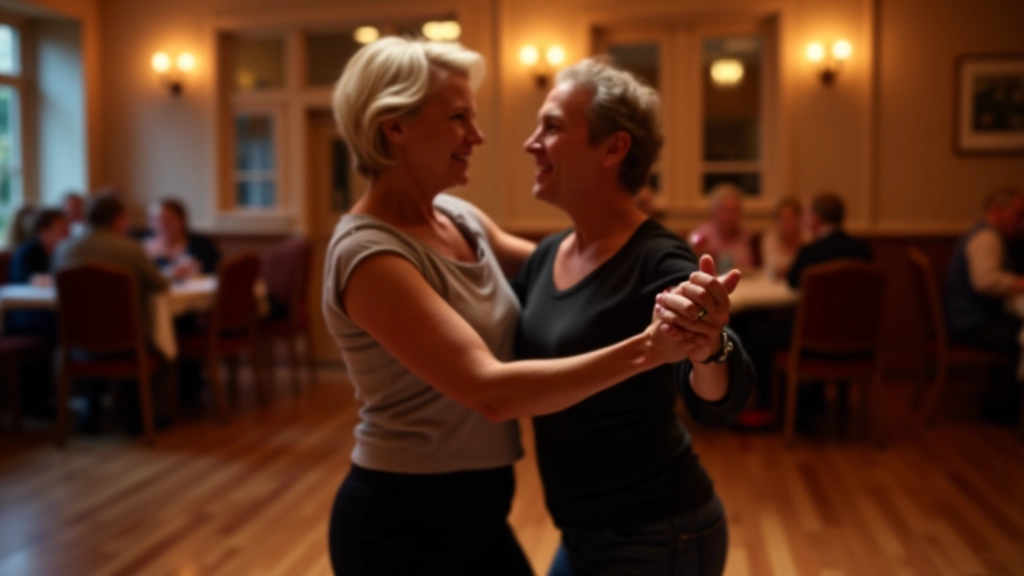
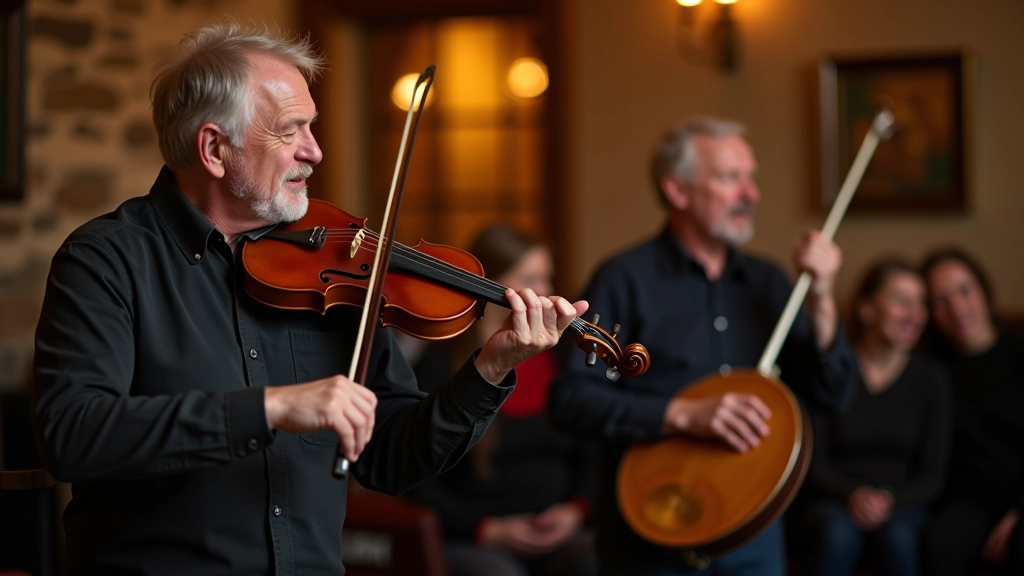
A ceili isn’t just a session — it’s a gathering. You’ll find musicians of all skill levels playing together, no rehearsals, no setlists. Someone starts a tune, others join in, and suddenly you’re part of something that’s been happening the same way for centuries. The word itself comes from the Irish “céilidh,” which means a social visit or gathering.
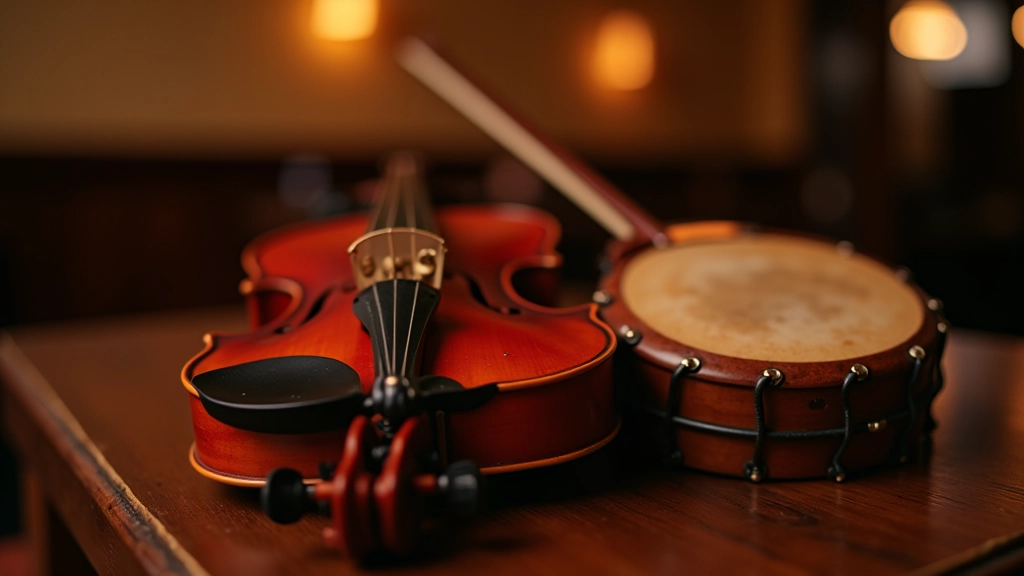
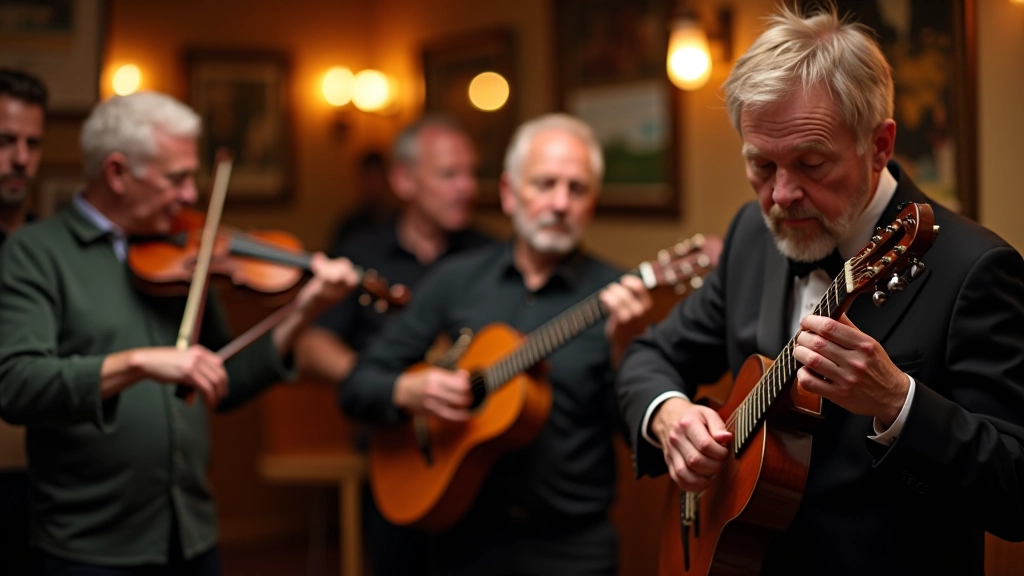
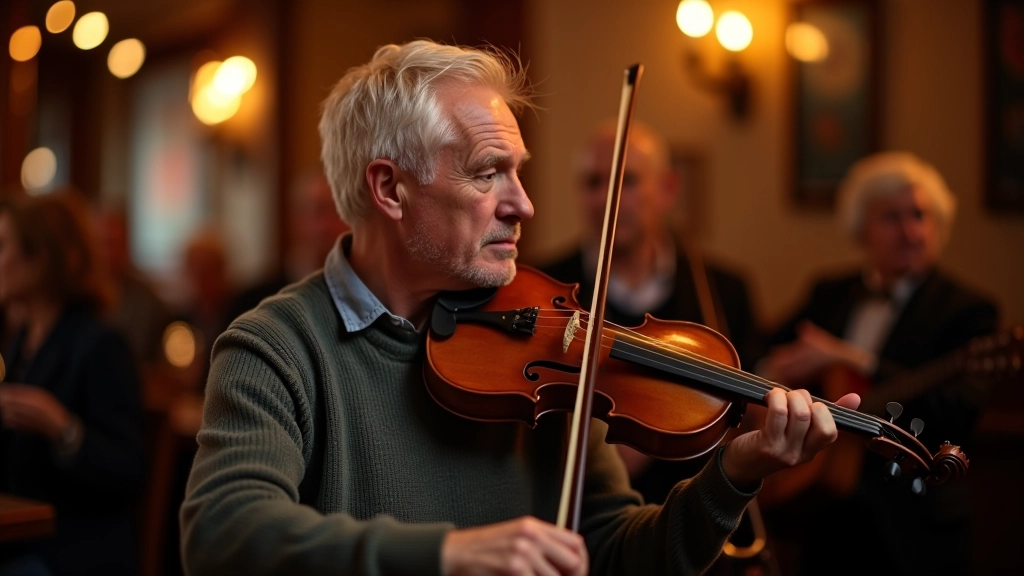
What makes them special? They’re not performances. There’s no stage, no ticket price, no pressure. People come to play, to listen, to be around others who get it. It’s conversational music — musicians watch each other, nod along, follow the lead. You’ll hear fiddles, bodhráns, tin whistles, uilleann pipes, bouzoukis, guitars. Sometimes just two instruments. Sometimes a full room creating this incredible sound together.
Finding Sessions Near You
Here’s the thing — most ceilis aren’t advertised like concerts. They just happen, same pub, same night every week. But that doesn’t mean they’re hard to find. You’ve got a few solid options.
Start with pubs in your area. Seriously. Call ahead and ask if they host sessions. Most will tell you when and what time musicians usually show up. Dublin’s got venues like Wily Nilly’s and O’Donoghue’s that’ve been running sessions for decades. Cork, Galway, Limerick — every decent-sized town has at least one pub where it happens regularly. Smaller villages often have sessions too, just less publicized.
Online communities help too. Reddit’s r/IrishMusic has people posting about sessions in their areas. Facebook groups dedicated to Irish traditional music will have regular updates. You’ll also find resources like Session.ie that list traditional sessions by county and venue. Some sessions run year-round, others are seasonal — summer brings more casual outdoor gatherings.

What Actually Happens at Your First Session
You’ll probably feel a bit nervous. That’s normal. Here’s what your first night looks like:
Arrival (7-8pm usually)
Walk in, grab a drink, find a spot. Musicians are already there or arriving. No one’s checking credentials. You belong here just by showing up.
The Tunes Start (usually by 8:15pm)
Someone will nod and start playing. Could be a reel, jig, polka, or hornpipe. Others join in. It’s not loud or aggressive — it’s actually quite conversational. You’ll hear the same tune played 2-3 times while everyone settles in.
Finding Your Spot (as an observer)
If you’re listening, sit nearby but not too close. Musicians need to see each other. You’re welcome to watch, clap along to the beat (gently — not after every tune, wait for natural breaks), tap your foot.
The Flow (90 minutes or so)
Tunes come in sets. You’ll hear 3-4 reels in a row, then maybe a jig set, then polkas. Conversation happens between sets. Drinks refill. New musicians arrive, others leave. It’s organic.
If You Play an Instrument
Bring your instrument. Seriously. Musicians are welcoming. You won’t be judged for being rusty or learning. You’ll make mistakes — so does everyone. The difference is, in a session, mistakes don’t matter. You keep playing.
Here’s the etiquette: Sit where you can see other players. Watch for someone making eye contact or nodding — that’s your cue that you can join. Don’t dive in on the first repetition of a tune. Let it go around, get the feel, then come in on the second or third time through. If you don’t know a tune, listen. You’ll pick it up faster than you’d expect. Most Irish traditional tunes follow predictable patterns — once you’ve heard 20 reels, they all start making sense.
And here’s the thing that keeps people coming back: Nobody’s trying to impress anyone. These aren’t competitions. A musician with 40 years of experience will sit next to someone who’s been playing for 6 months, and they’ll play together like it’s the most natural thing in the world. That’s the magic of it.
Why Ceilis Matter More Than You’d Think
It’s not really about the music, though the music’s excellent. It’s about connection.
Community That Actually Works
You’re sitting with the same people every week. Over time, you learn their names, their stories, what tunes they love. There’s continuity. Someone doesn’t show up one night, you notice. It matters.
Low Pressure Social Time
You don’t have to perform or prove anything. You can just be. Listen, drink, chat. No one’s keeping score or judging. That’s rare.
Learning Without Lessons
Musicians pick up tunes by ear, by watching, by osmosis. You’ll learn more in 6 months of sessions than you might in a year of private lessons. And you’ll enjoy it more.
Practical Tips for Your First Session
Timing Matters
Sessions usually start between 7-8pm and run until 10-11pm. Arrive early if you want to meet people. Most sessions happen Tuesday through Thursday, with some weekend options too.
Order a Drink
Pubs hosting sessions expect customers to buy drinks. You don’t need to drink alcohol — a coffee, tea, or soft drink works fine. Just buy something.
Respect the Music
Don’t chat during tunes. Quiet conversation between sets is fine. Your phone should be silent. Recording’s usually okay if you ask first, but respect if someone says no.
Introduce Yourself
During a break, say hello to someone. Musicians love talking about music. You’ll get recommendations for other sessions, tips on learning, invitations to other events.
Check Locations Ahead
Sessions move sometimes. A venue closes, musicians relocate. Before you go, confirm the session’s still happening at that spot. A quick phone call to the pub prevents wasted trips.
Listen First
Your first visit, just listen. Don’t worry about playing if you’re nervous. Absorb the atmosphere, the tunes, the rhythm. You’ll feel more confident next time.
Resources to Get Started
You don’t need much to find and join a session. Here’s what’ll help:
Session.ie
The most comprehensive database of traditional sessions in Ireland. Organized by county, venue, and night of the week. Regularly updated by the community.
Local Tourist Information
Most towns have visitor centers that’ll point you toward sessions. They know what’s happening locally and can give you current information.
Irish Traditional Music Archive (ITMA)
Not just session listings — thousands of recordings, tunes, and musician profiles. Great for learning tune variations before you go.
Pub Phone Calls
Old school works best. Call the pub, ask if they host sessions. You’ll get honest answers and often meet the owner or regular musicians.

A Note on This Guide
This article is informational, based on common practices and traditions in Irish ceili sessions. Specific sessions vary by location, venue, and group culture. Always confirm session details directly with the hosting pub or venue before attending. Ceili customs evolve over time and can differ between regions. If you’re new to traditional music, arriving early and observing before participating is always a good approach. Respect local musicians and venue policies — they’re what keep these sessions thriving.
Explore More Music & Dance Events